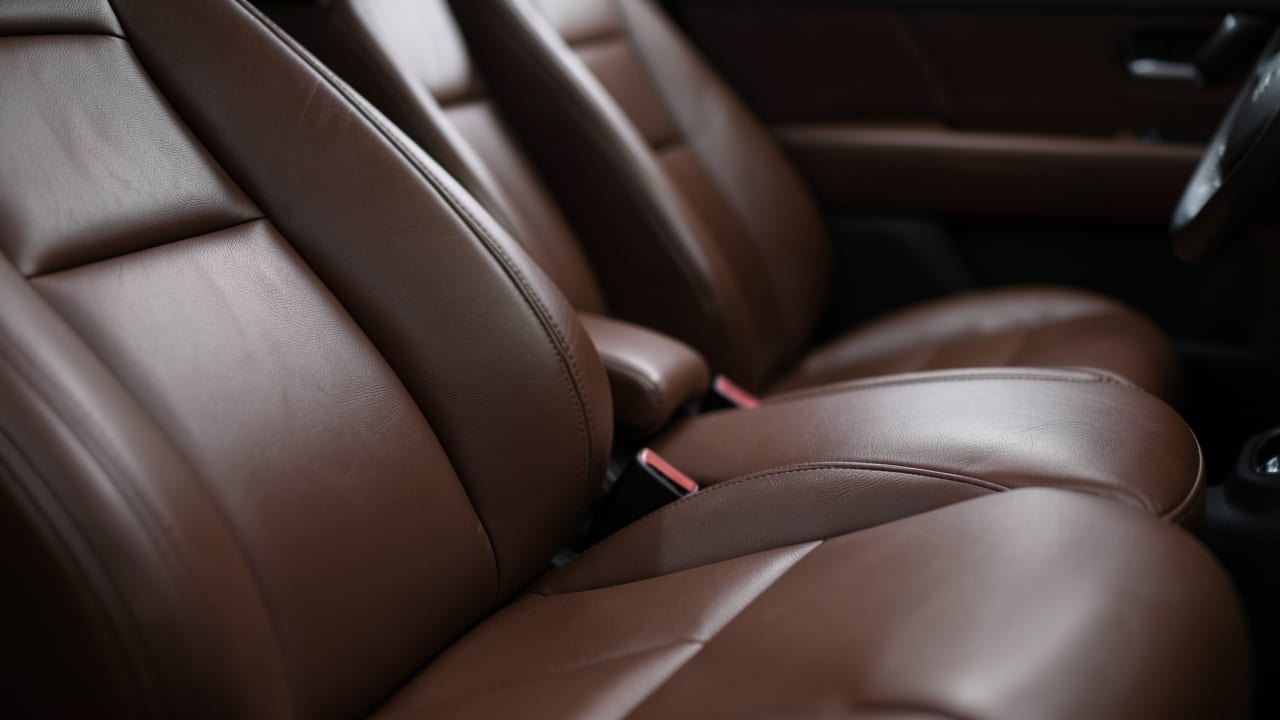
Leather Conditioning
Professional application of ceramic coatings to protect and condition leather surfaces.
Leather conditioning with ceramic coatings in Valrico, FL, helps restore and protect your car’s or furniture’s leather surfaces from wear, stains, and UV damage.
This process adds a durable layer that preserves the material’s natural appearance while enhancing its resistance to daily use, making it ideal for upholstery, dashboards, and accessories in the Valrico area and surrounding communities like Brandon and Plant City.
We also handle Bug Splatter Removal and Oxidation Removal for Valrico vehicles.
Why leather conditioning matters in Valrico’s climate
Valrico’s hot, sunny weather accelerates leather drying and cracking, while dust and road grime in nearby areas like Tampa and Lakeland can embed in leather fibers.
Ceramic coatings create a protective barrier that helps leather retain moisture, resist fading, and repel dirt, extending the life of your surfaces without altering their natural look.
This service is especially useful for older vehicles or leather furniture exposed to direct sunlight, frequent use, or humidity fluctuations. Regular conditioning with ceramic coatings can reduce the need for costly replacements by maintaining leather’s flexibility and preventing premature aging.
Signs Your Leather Needs Conditioning
- Leather appears dry, cracked, or flaky, especially in sun-exposed areas like dashboards or seats.
- Stains or spills no longer wipe away easily, indicating the surface has lost its protective oils.
- Leather feels stiff or develops a dull, matte finish instead of a soft, supple texture.
- UV damage is visible—fading, peeling, or a brittle texture in areas exposed to sunlight.
How ceramic coatings enhance leather protection
Ceramic coatings for leather work by infusing a thin, transparent layer of nano-ceramic particles into the material’s surface. This layer fills microscopic pores, creating a smooth barrier that repels liquids, dust, and UV rays while allowing the leather to breathe.
Unlike traditional conditioners, ceramic coatings provide long-lasting protection that doesn’t degrade quickly with wear.
The process is precise: it starts with deep cleaning to remove embedded dirt and oils, followed by the application of the ceramic-infused conditioner. This ensures the coating bonds evenly, maximizing durability and resistance to stains, scratches, and environmental damage.
Preparing your leather for conditioning
Before applying a ceramic coating, leather must be thoroughly cleaned to remove dirt, oils, and old conditioners. This step ensures the coating adheres properly and lasts longer.
A deep clean often includes vacuuming, wiping with a damp cloth, and using a specialized leather cleaner to dissolve embedded grime without damaging the material.
Skipping this preparation can lead to uneven coating application, reducing protection and causing premature wear. The goal is to create a clean, dry surface that allows the ceramic particles to penetrate deeply and form a uniform protective layer.
| Step | Purpose | Tools/Products Used |
|---|---|---|
| Vacuum and dust removal | Removes loose debris and dust from leather fibers | Soft-bristle brush, vacuum with upholstery attachment |
| Wet cleaning with leather-safe solution | Breaks down oils, dirt, and old conditioners | Leather cleaner, microfiber cloths |
| Drying and inspection | Ensures leather is completely dry before conditioning | Clean towels, UV flashlight (to check for missed spots) |
How leather conditioning with ceramic coatings works
This process restores and protects leather by combining deep cleaning with a ceramic-infused treatment.
- 1Deep Cleaning
Leather is vacuumed and wiped down with a specialized cleaner to remove dirt, oils, and old conditioners. This step ensures the ceramic coating will bond properly to a clean surface.
- 2Drying and Inspection
The leather is left to dry completely, and a UV flashlight is used to check for any remaining contaminants or missed spots before proceeding.
- 3Ceramic Conditioner Application
A thin layer of ceramic-infused conditioner is applied evenly using a microfiber cloth or applicator. The product penetrates the leather, forming a protective barrier against stains, UV damage, and wear.
- 4Curing Period
The treated leather is allowed to cure for 24–48 hours in a dust-free environment to ensure the coating fully hardens and bonds to the material.
- 5Final Inspection and Maintenance Tips
After curing, the leather is inspected for even coverage. Owners are advised on proper maintenance, such as avoiding harsh chemicals and reapplying conditioner every 3–6 months.
Frequently asked questions
How often should I have my leather conditioned with ceramic coatings?
For most leather surfaces in Valrico’s climate, reapplication every 3–6 months helps maintain protection against UV damage, stains, and wear. High-usage areas like car seats may need more frequent treatments.
Will ceramic conditioning change the color or texture of my leather?
No, ceramic coatings are transparent and designed to preserve the leather’s natural appearance. They add a subtle sheen while enhancing durability, without altering color or texture.
Can I apply ceramic conditioner myself, or should I hire a professional?
While DIY kits exist, professional application ensures even coverage and proper bonding, especially for deeper cleaning and curing steps. Professionals also assess leather condition and recommend the best product for your needs.
Does this service work for all types of leather, including vintage or delicate materials?
Ceramic coatings are generally safe for most leather types, but delicate or vintage leather may require a test patch first. Always confirm compatibility with the service provider, especially for antique or treated hides.
Where Valrico sits, and what the Census lists nearby
Valrico sits in Florida, and the closest places listed in the U.S. Census Gazetteer are Bloomingdale (3.5 miles southwest), Brandon (4.3 miles west), Dover (4.7 miles north), Fish Hawk (4.9 miles south). Within 25 miles of Valrico the same source lists 51 distinct incorporated places and census-designated places.
Those figures matter for leather conditioning because they are straight-line distances between Census coordinate points: road mileage between Valrico and Bloomingdale runs longer than the 3.5 miles shown, which is why quotes for the same job differ between towns that look close together on a map.
Source: U.S. Census Bureau Gazetteer.
See Seffner, FL for more, or browse our full crew's Valrico services in full for our complete lineup.
Ready to get started?
Talk to a local ceramic coating pro in Valrico — get a written quote.
Other Ceramic Coating Services in Valrico
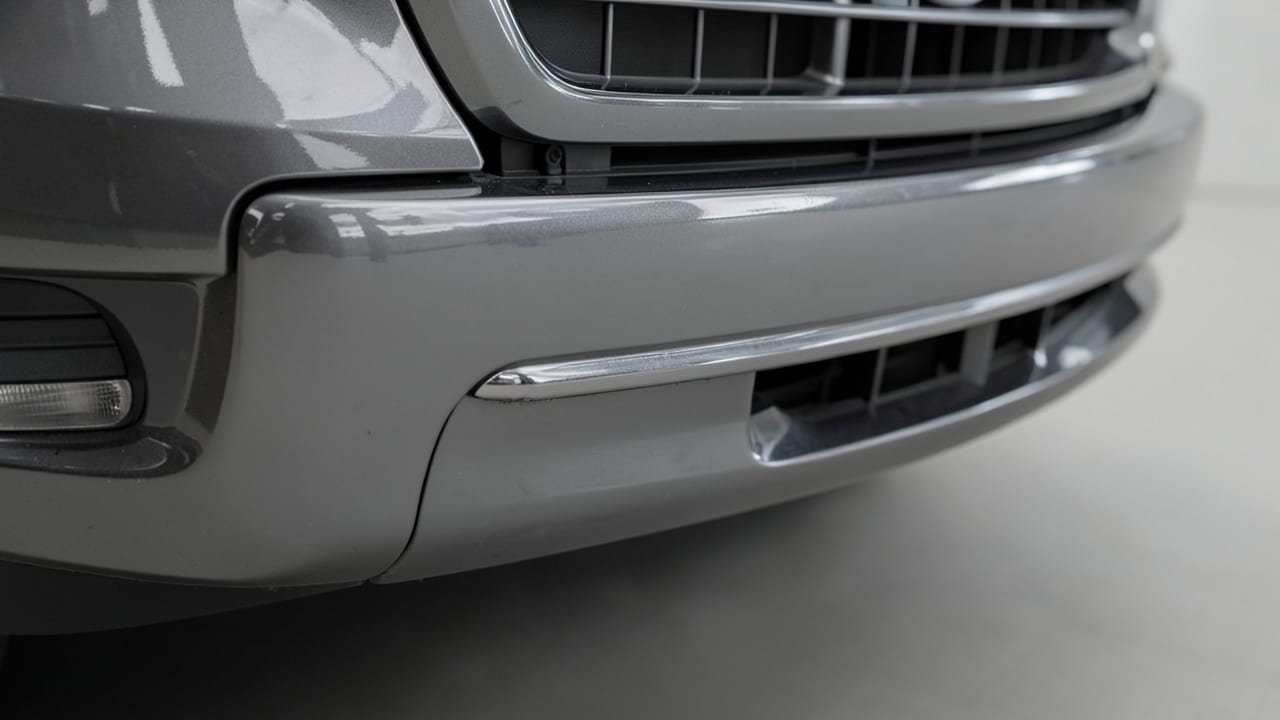
Bug Splatter Removal in Valrico, FL
Professional removal of insect residue from vehicle paint without damaging the ceramic coating or finish.
Learn More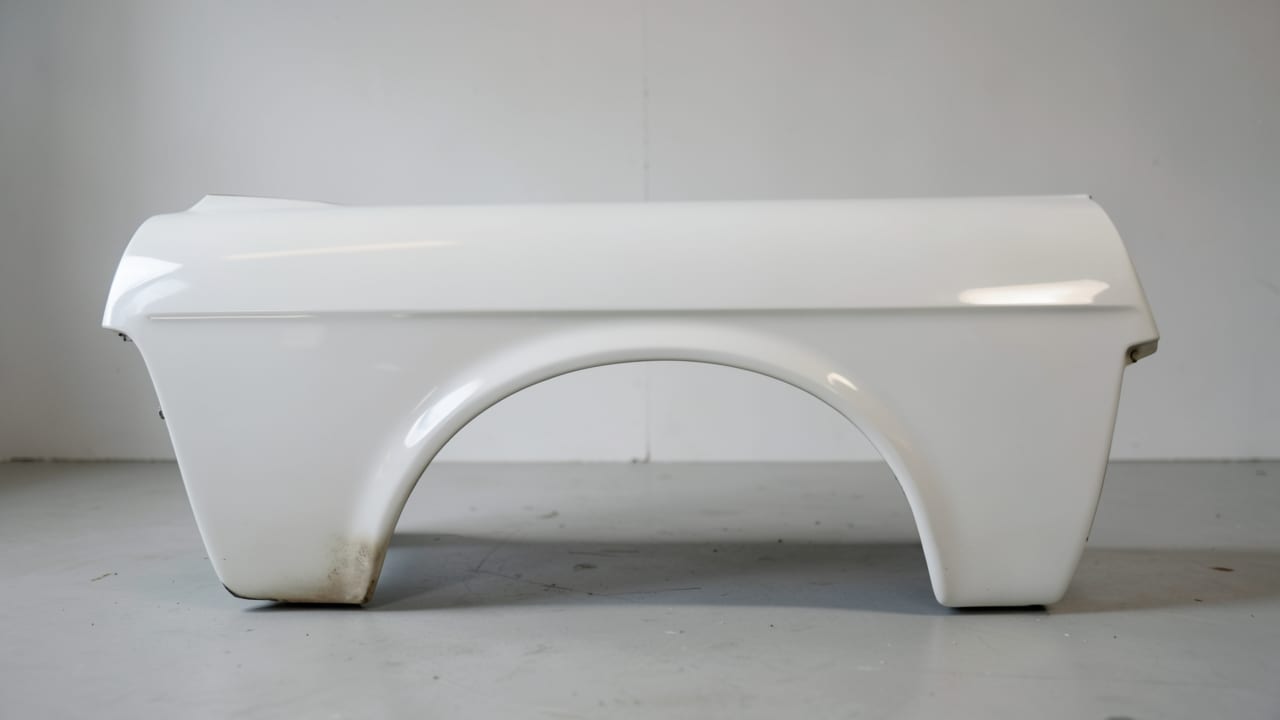
Oxidation Removal in Valrico, FL
Professional removal of oxidation from vehicle paint to restore clarity and prepare surfaces for ceramic coating.
Learn More
Annual Ceramic Maintenance Wash in Valrico, FL
Professional cleaning and reapplication of ceramic coatings to preserve paint protection.
Learn More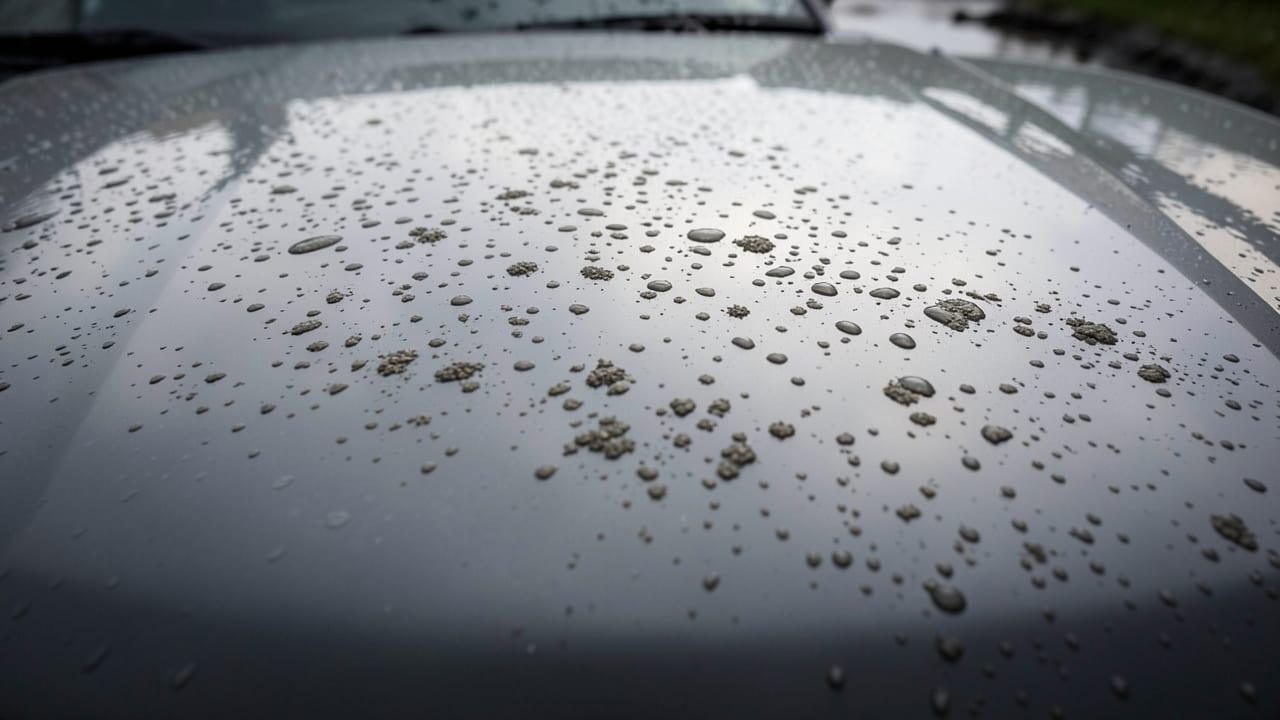
Post-Storm Contaminant Removal in Valrico, FL
Removal of contaminants from vehicle paint after storms, followed by ceramic coating application.
Learn More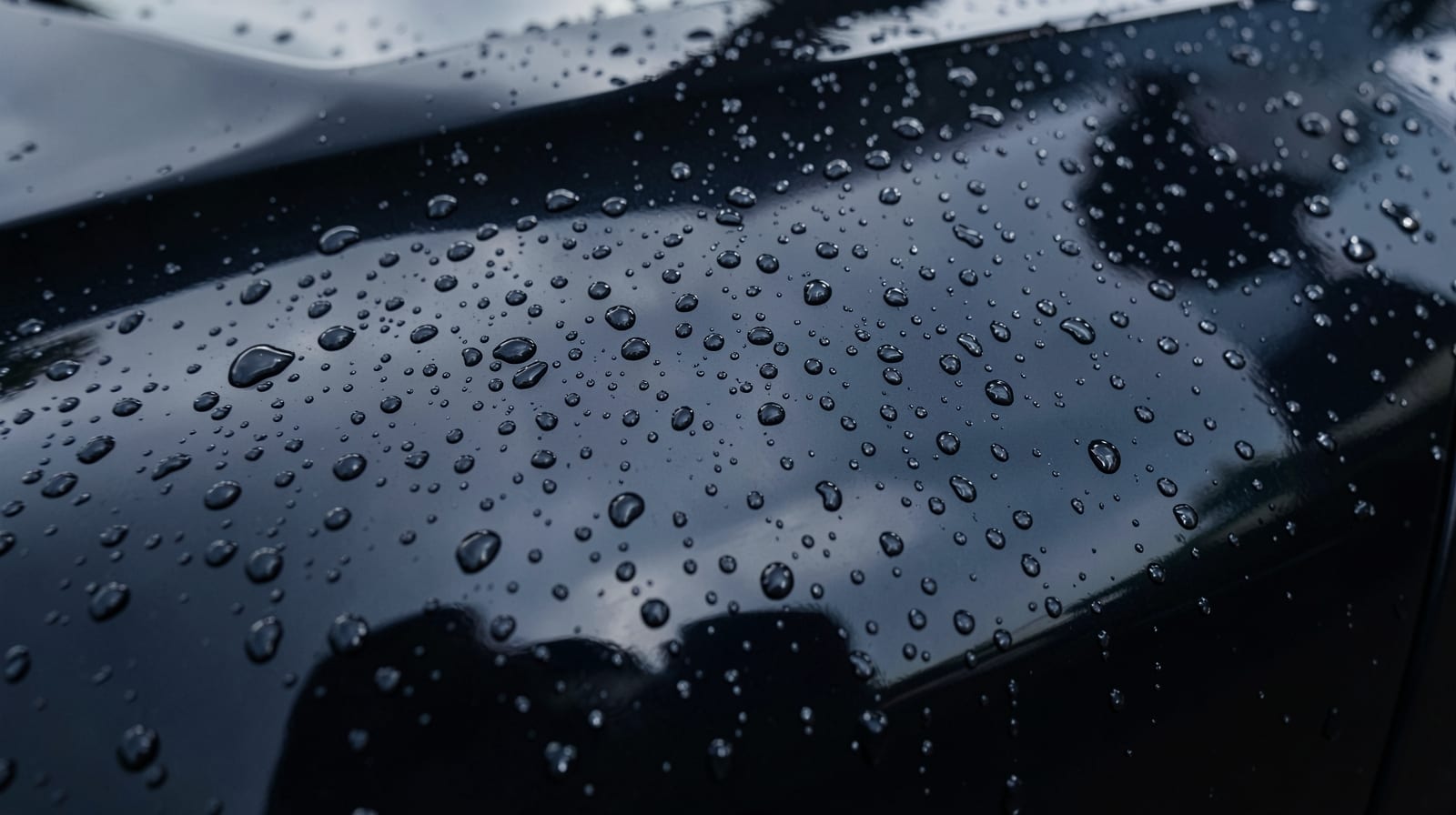
Full-Vehicle Ceramic Coating in Valrico, FL
Professional nano-ceramic coating for vehicles in Valrico, FL — a hard, semi-permanent SiO2 layer for deep gloss, strong hydrophobic protection, and easier washing.
Learn More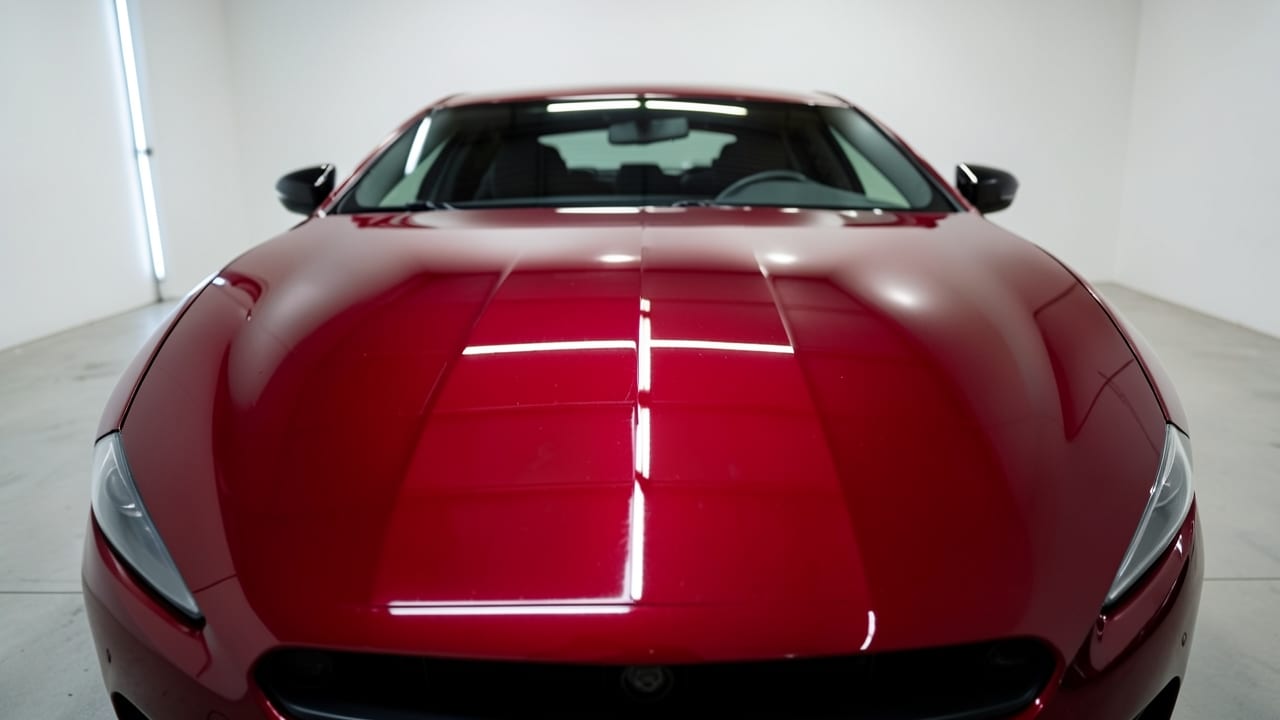
Paint Correction & Polishing in Valrico, FL
Machine paint correction and polishing in Valrico, FL — removes swirl marks, oxidation, and water spots, and is the mandatory first step before any ceramic coating.
Learn MoreCommon Questions About Ceramic Coating in Valrico
Everything you need to know about ceramic coating services in Valrico
How much does Leather Conditioning typically cost in Valrico, FL?
Does intense UV and dust in Valrico, FL change coating maintenance?
Can a ceramic coating be applied over existing swirl marks or light scratches?
Is ceramic coating ever covered by comprehensive auto insurance?
Can ceramic coating be applied over a vinyl wrap or matte paint?
What does proper paint prep before a ceramic coating actually involve?
Need Ceramic Coating in Valrico?
Get a written quote from our Valrico crew.
⏰ We answer your call • Serving all of Valrico and surrounding areas