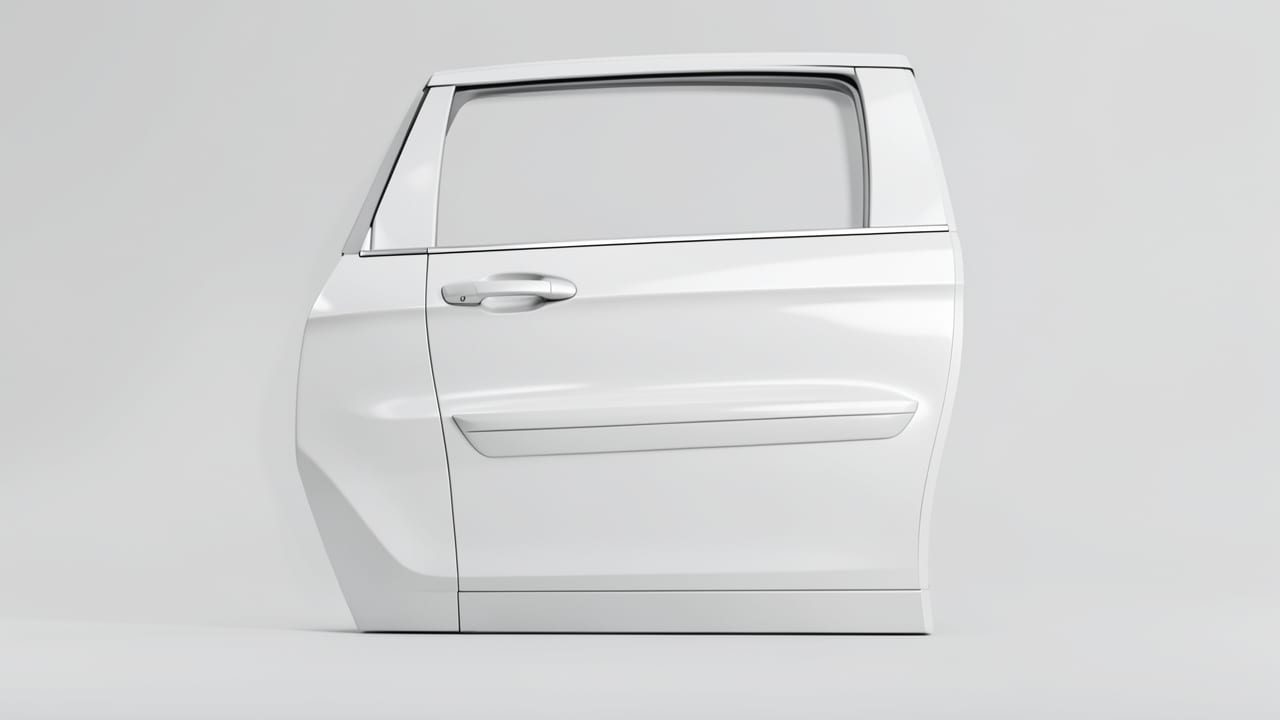
Iron Particle Decontamination
Removal of embedded iron particles from automotive paint using chemical solutions.
Iron particle decontamination in Valrico, FL, removes embedded metallic contaminants like brake dust or rail dust from your vehicle’s ceramic coating or paint. These particles can cause rust spots and degrade the finish over time, making targeted treatment essential to restore a smooth, clean surface and protect your vehicle’s investment.
Why iron particle decontamination is needed
Iron particles from brake dust or industrial fallout often embed into ceramic coatings or paint, creating tiny rust spots or a gritty texture that normal washing can’t remove. These contaminants are common in areas with heavy traffic or industrial activity, like parts of Valrico and nearby towns.
We also handle Wheel & Brake Caliper Ceramic Coating and Interior Ceramic Protection for Valrico vehicles.
Left untreated, they can weaken the coating and lead to long-term damage.
Unlike surface dirt, embedded iron particles require specialized chemistry to dissolve and lift. A quick wipe or all-purpose cleaner often spreads the problem, making it worse. Proper decontamination ensures contaminants are fully removed, not just temporarily hidden, so your vehicle’s finish stays protected.
Signs Your Vehicle Needs Iron Particle Decontamination
- Tiny dark specks remain after washing, especially on lighter paint or clear coat.
- The paint feels bumpy or gritty when touched, even after a thorough wash.
- Orange or rust-colored spots appear, particularly after highway driving or near rail lines.
- Swirl marks or haze develop in areas where contaminants were previously present.
How contaminants affect your vehicle’s finish
Contaminants like iron particles, tar, or sap bond differently to your vehicle’s surface. Iron particles, for example, embed into the clear coat or ceramic layer, while tar or sap can create adhesive residues. Each requires a specific chemical treatment to avoid damaging the paint or coating during removal.
Skipping proper decontamination can lead to uneven wear, reduced gloss, or even rust spots. A targeted approach ensures the contaminant is fully lifted without harming the underlying finish, leaving your vehicle’s surface smooth and protected for longer.
| Contaminant Type | Common Signs | Typical Location |
|---|---|---|
| Iron particles (brake dust, rail dust) | Dark specks, gritty texture, rust spots | Behind wheels, along wheel wells, near rail lines |
| Tar or sap | Sticky residues, faint shadows after wiping | Under trees, parking spots near roads |
| Overspray or industrial fallout | Hazy or dull patches | Exterior panels, especially on lighter colors |
What affects the process and timing
The severity of contamination, the type of contaminants present, and the condition of your vehicle’s existing coating all influence how long decontamination takes. Light surface contaminants may require minimal treatment, while deeply embedded iron particles or multiple contaminants may need extra steps for full removal.
Regular maintenance, like rinsing contaminants within a day or two of landing, can prevent them from bonding permanently. Parking away from sources of contamination—such as under trees that drop sap or near industrial areas—also reduces how often decontamination is needed.
How iron particle decontamination works
This process involves targeted chemical treatment, mechanical lifting, and protective follow-up to safely remove embedded contaminants.
- 1Contaminant Identification
The specific type of contaminant—such as iron particles, tar, or sap—is identified first. Each requires a different chemistry for safe removal.
- 2Chemical Treatment
A specialized product formulated for the contaminant is applied and allowed to dwell, breaking down the bond between the contaminant and the surface.
- 3Mechanical Lifting (If Needed)
A clay bar or mitt is gently worked over the treated area to lift remaining contaminants, using a lubricant to prevent scratching the paint.
- 4Rinse and Inspection
The area is rinsed clean, and the surface is inspected under direct light to confirm the contaminant is fully removed.
- 5Protective Follow-Up
A spray sealant or coating topper is applied to restore protection to the surface, ensuring no additional exposure occurs after treatment.
Frequently asked questions
How do I know if my vehicle has embedded iron particles instead of just surface dirt?
Embedded iron particles often feel gritty when touched and leave tiny dark specks that survive a normal wash with soap and water. Surface dirt usually rinses away easily, while iron particles require specialized chemistry to dissolve and lift.
Can I remove iron particles myself, or should I have it professionally done?
DIY attempts with all-purpose cleaners often spread contaminants or scratch the surface. Professional decontamination uses targeted products and techniques to safely lift embedded particles without damaging the paint or coating.
How often should I have my vehicle’s coating decontaminated?
Frequency depends on exposure to contaminants. Vehicles in high-traffic or industrial areas may need decontamination every 6–12 months, while others may only require it every few years. Regular rinsing of contaminants within a day or two helps prevent permanent bonding.
Will decontamination damage my ceramic coating?
When done correctly, decontamination removes contaminants without harming the coating. However, using the wrong products or scrubbing too aggressively can strip the coating’s protective layer, which is why professional treatment follows a controlled process.
Where Valrico sits, and what the Census lists nearby
Valrico sits in Florida, and the closest places listed in the U.S. Census Gazetteer are Bloomingdale (3.5 miles southwest), Brandon (4.3 miles west), Dover (4.7 miles north), Fish Hawk (4.9 miles south). Within 25 miles of Valrico the same source lists 51 distinct incorporated places and census-designated places.
Those figures matter for iron particle decontamination because they are straight-line distances between Census coordinate points: road mileage between Valrico and Bloomingdale runs longer than the 3.5 miles shown, which is why quotes for the same job differ between towns that look close together on a map.
Source: U.S. Census Bureau Gazetteer.
See Bealsville, FL for more, or browse what's included in our Valrico service in detail for our complete lineup.
Ready to get started?
Talk to a local ceramic coating pro in Valrico — get a written quote.
Other Ceramic Coating Services in Valrico
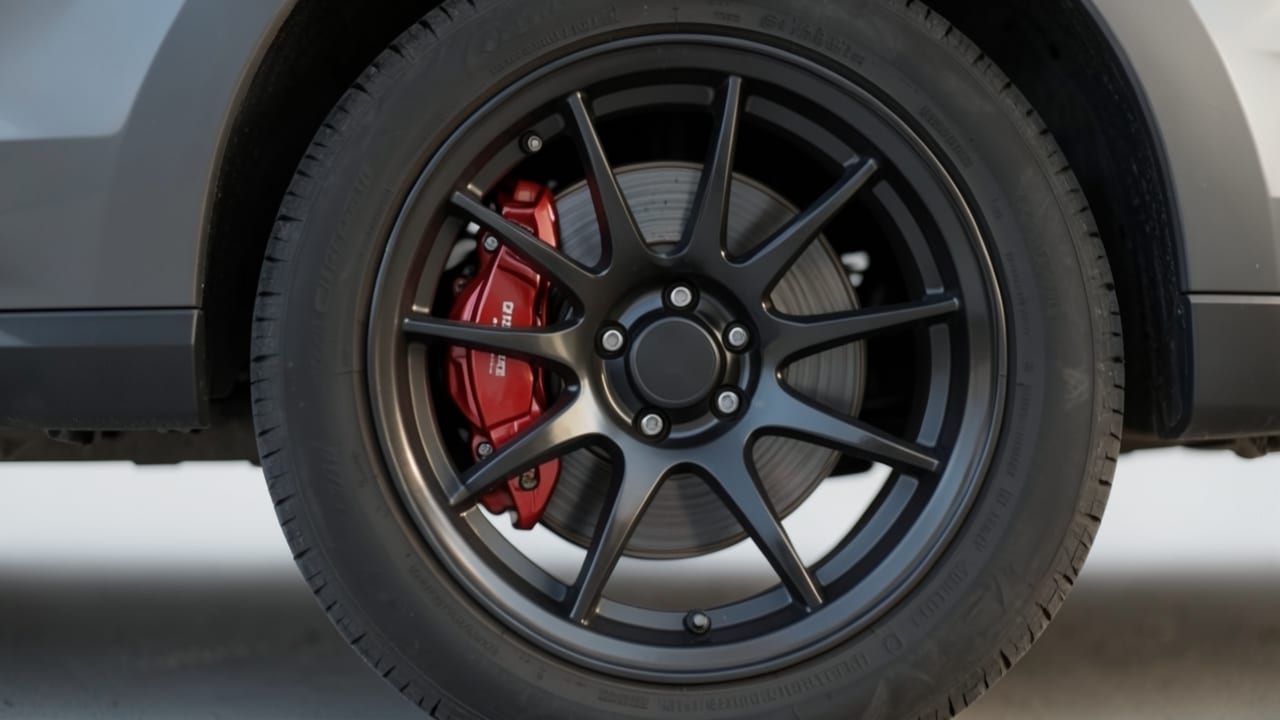
Wheel & Brake Caliper Ceramic Coating in Valrico, FL
Dedicated ceramic coating for wheels and brake calipers in Valrico, FL — stops brake dust and corrosive grime from bonding to the finish.
Learn More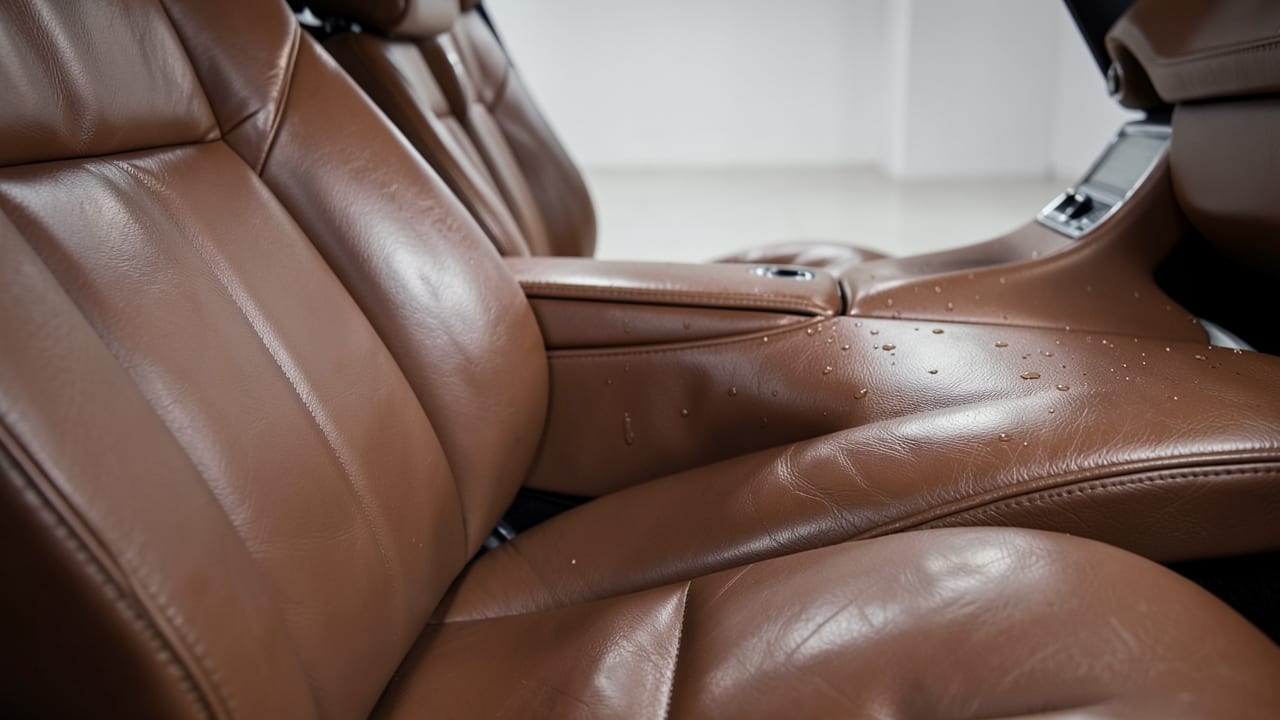
Interior Ceramic Protection in Valrico, FL
Interior fabric, leather, and trim ceramic protection in Valrico, FL — guards against spills, UV fading, and daily wear.
Learn More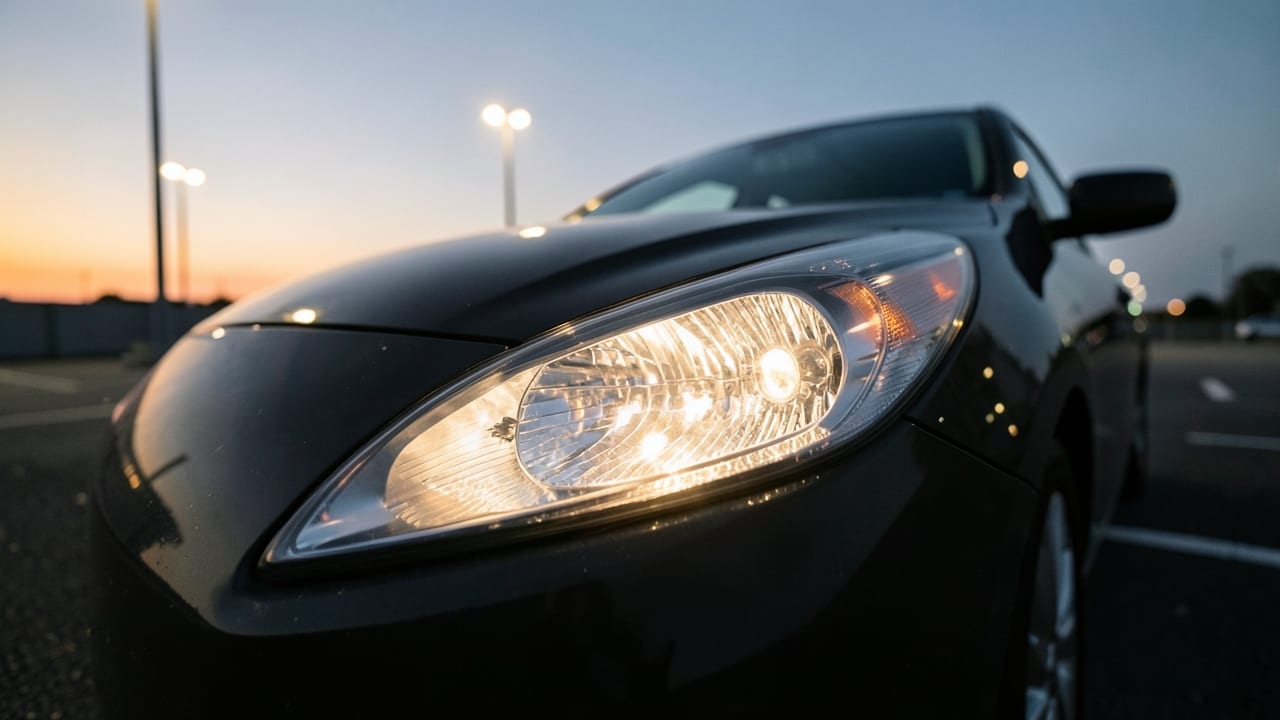
Headlight Restoration & Coating in Valrico, FL
Headlight restoration and UV-protective coating in Valrico, FL — restores clarity and nighttime visibility without replacing the assembly.
Learn More
Fleet & Commercial Vehicle Coating in Valrico, FL
Ceramic coating programs for fleets and commercial vehicles in Valrico, FL — faster washing, longer-lasting branded wraps, and protected resale value.
Learn More
Graphene Coating in Valrico, FL
Graphene coating in Valrico, FL — a premium ceramic alternative with better heat rejection and hydrophobic durability.
Learn More
Clay Bar Paint Decontamination in Valrico, FL
Clay bar paint decontamination in Valrico, FL removes bonded surface contaminants a wash alone can't touch, before coating or correction.
Learn MoreCommon Questions About Ceramic Coating in Valrico
Everything you need to know about ceramic coating services in Valrico
How much does Iron Particle Decontamination typically cost in Valrico, FL?
Does intense UV and dust in Valrico, FL change coating maintenance?
What does proper paint prep before a ceramic coating actually involve?
How should a coated vehicle be washed after the coating is applied?
Will a ceramic coating stop rock chips or scratches?
What's the actual difference between wax, paint sealant, and ceramic coating?
Need Ceramic Coating in Valrico?
Get a written quote from our Valrico crew.
⏰ We answer your call • Serving all of Valrico and surrounding areas