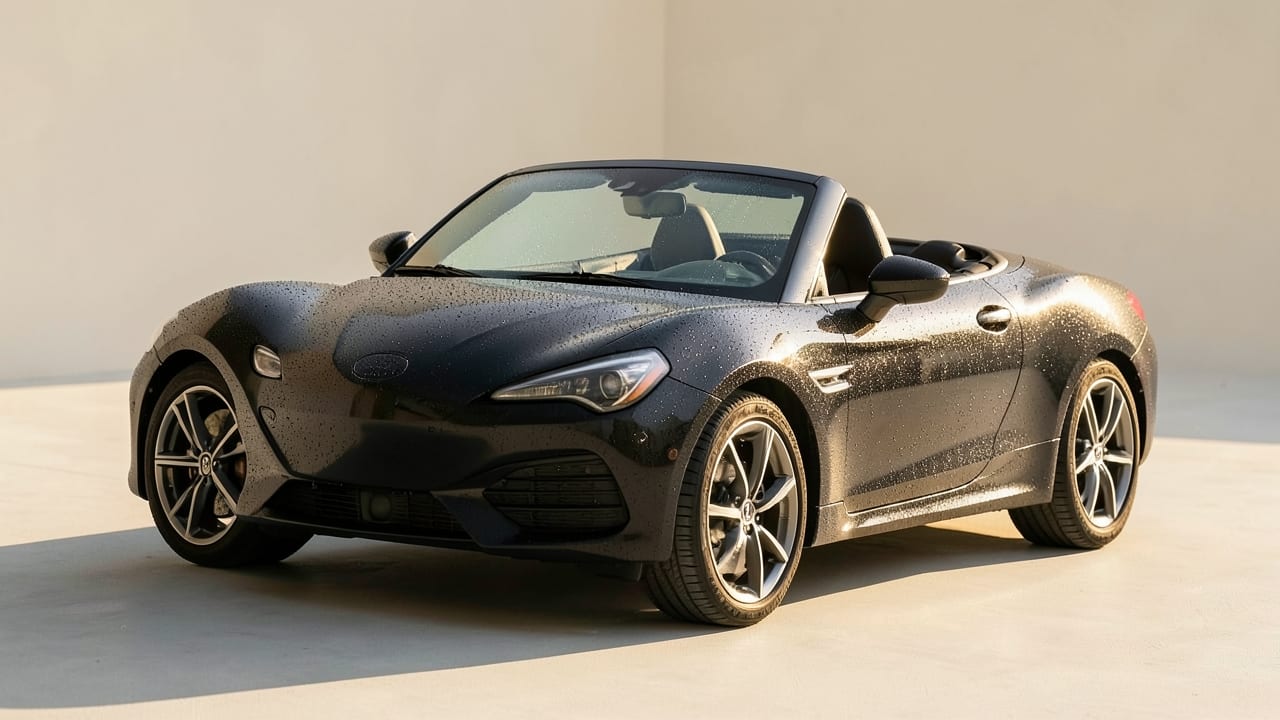
Convertible Top Protection
Ceramic coating and protective treatments applied to convertible tops for durability and UV resistance.
In Valrico, FL, convertible top protection involves applying ceramic coatings to shield fabric or vinyl tops from UV damage, stains, and wear. This treatment enhances water resistance, preserves material appearance, and extends the lifespan of your convertible in the area’s varying weather conditions.
Proper preparation and application are key to achieving the best results.
We also handle Interior Ceramic Protection and Headlight Restoration & Coating for Valrico vehicles.
Signs your convertible top needs protection
Your convertible top may need protection if it shows signs of wear, such as fading, cracking, or stiffness in the fabric or vinyl. UV rays in Florida’s climate accelerate these issues, making proactive care essential.
Another sign is water beading poorly—if droplets spread instead of rolling off, the top’s protective layer has likely worn away.
Fine scratches or swirl marks that appear under direct sunlight or when running a finger over the surface are also indicators. These imperfections can build up from routine exposure and washing, and addressing them before coating ensures a smoother, longer-lasting finish.
Common Signs of Wear
- Water does not bead or rolls unevenly off the top surface
- Fabric or vinyl appears faded, dry, or discolored
- Visible fine scratches or swirl marks under direct light
- Stiffness or cracking in the material after repeated use
- Dull appearance instead of a glossy, protected finish
What affects pricing and timing for convertible top protection
The size and material of your convertible top influence the cost and time required. Fabric tops may need more frequent reapplication than vinyl, which can be more durable but still requires protection.
The extent of existing damage or contamination also plays a role—deeper scratches or heavy staining may require additional prep work before coating.
Seasonal factors can impact timing. Applying a coating in extreme heat or humidity may require adjustments to ensure proper curing. Scheduling during milder weather, such as spring or fall, often allows for a smoother process and better long-term results.
| Factor | Impact on Pricing/Timing |
|---|---|
| Top Material (Fabric vs. Vinyl) | Vinyl tops may require less frequent reapplication than fabric, affecting long-term costs |
| Size of the Top | Larger tops take more time and product, increasing labor and material costs |
| Existing Damage or Contamination | Heavier prep work for stains, scratches, or UV damage raises the price |
| Seasonal Weather Conditions | Extreme heat or humidity may require adjustments in application or curing time |
| Preparation Steps Included | Full decontamination, clay bar treatment, and paint correction add time and cost |
Why preparation matters before coating
Skipping preparation steps like decontamination or clay bar treatment can shorten the lifespan of your coating. Brake dust, road grime, and industrial fallout embed in the clear coat over time, and these contaminants must be removed before coating to ensure proper adhesion.
A coating applied over uncleaned surfaces may bond unevenly, leading to patchy wear or early failure.
Proper prep also corrects minor imperfections. Swirl marks and light scratches, if left unaddressed, become permanently sealed under the coating. This means the texture of the imperfections is preserved rather than hidden, which can make the finish look dull or uneven over time.
Coating over uncleaned or improperly prepped surfaces can lead to uneven bonding, visible high spots, or premature wear. Always ensure full decontamination, clay bar treatment, and correction of swirl marks before application.
How convertible top protection works
Protecting your convertible top involves thorough cleaning, decontamination, and application of a ceramic coating.
- 1Foam Pre-Wash and Wheel Cleaning
The top undergoes a foam pre-wash to remove loose dirt, followed by a dedicated wheel-and-tire cleaning pass. Different wash mitts are used for paint and wheels to prevent brake dust from scratching the surface during subsequent steps.
- 2Chemical Decontamination
Iron remover and tar/bug remover are applied to strip embedded contaminants like brake dust and road grime. These chemicals lift particles below the surface that a wash mitt alone cannot reach, ensuring a cleaner base for coating.
- 3Clay Bar Treatment
A clay bar or mitt is worked across every panel with a lubricant to pull out bonded contaminants like overspray or industrial fallout. The surface is tested for smoothness—if it feels glass-like, decontamination is complete.
- 4Paint Inspection and Correction
The top is inspected under raking light for swirl marks or light scratches. A correction polish is applied where needed to avoid sealing imperfections under the coating, which would make them permanent.
- 5Coating Application and Cure
The ceramic coating is applied panel by panel in a controlled environment with specific humidity and temperature. The top is left undisturbed during the cure period to ensure proper hardening before exposure to rain or washing.
Frequently asked questions
How often should I reapply convertible top protection?
Reapplication frequency depends on material type and exposure. Fabric tops may need protection every 1–2 years, while vinyl tops can last 2–4 years. Florida’s UV exposure accelerates wear, so monitoring for signs like fading or water beading poorly helps determine timing.
Will coating my convertible top stop rock chips or deep scratches?
No, ceramic coatings add surface hardness to resist light swirling and UV damage but do not prevent rock chips or deep scratches. They enhance water resistance and appearance but are not impact-proof.
Can I wash my car right after the coating is applied?
No, the coating requires a full cure period—typically 3–7 days—before exposure to water. Washing too soon can cause water-spot marks or uneven curing. Follow the recommended curing window to ensure longevity.
Does the coating process include correcting existing swirl marks?
Yes, inspection and correction of swirl marks are part of the process. Skipping this step locks imperfections under the coating, making them permanent. Proper prep ensures a smoother, more durable finish.
Where Valrico sits, and what the Census lists nearby
Valrico sits in Florida, and the closest places listed in the U.S. Census Gazetteer are Bloomingdale (3.5 miles southwest), Brandon (4.3 miles west), Dover (4.7 miles north), Fish Hawk (4.9 miles south). Within 25 miles of Valrico the same source lists 51 distinct incorporated places and census-designated places.
Those figures matter for convertible top protection because they are straight-line distances between Census coordinate points: road mileage between Valrico and Bloomingdale runs longer than the 3.5 miles shown, which is why quotes for the same job differ between towns that look close together on a map.
Source: U.S. Census Bureau Gazetteer.
See Riverview, FL for more, or explore how our Valrico crew can help step by step for our complete lineup.
Ready to get started?
Talk to a local ceramic coating pro in Valrico — get a written quote.
Other Ceramic Coating Services in Valrico
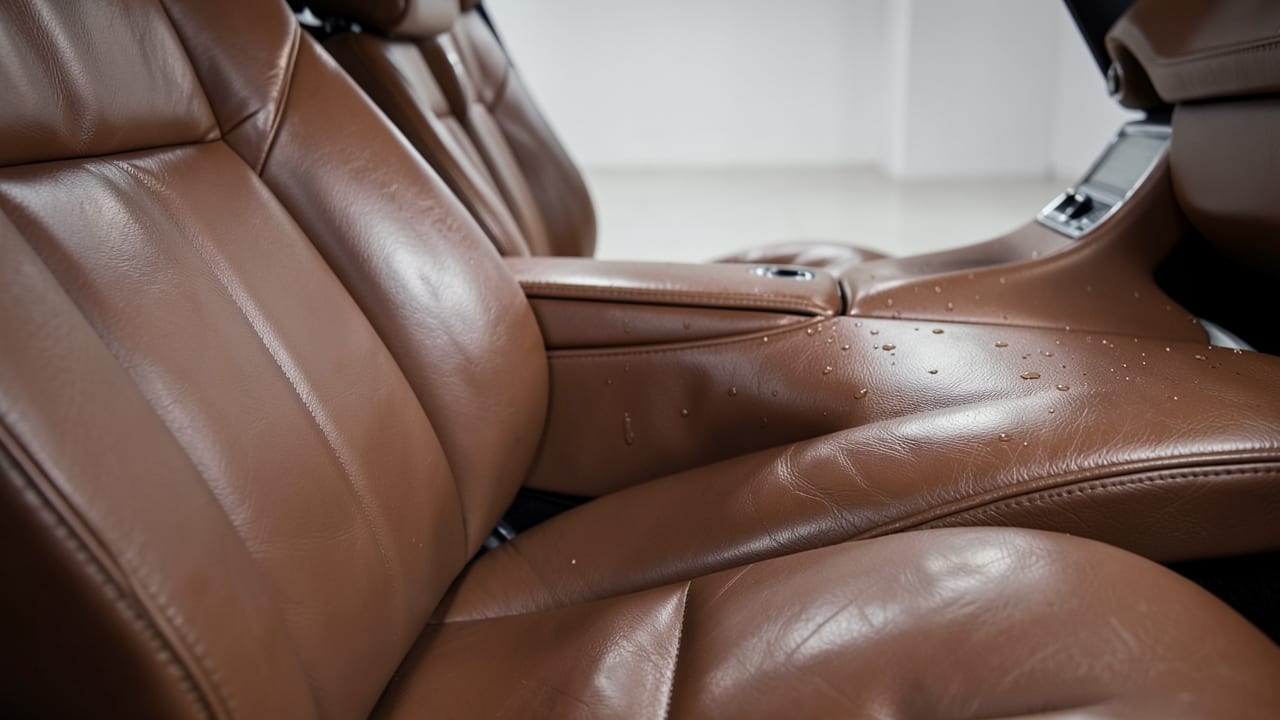
Interior Ceramic Protection in Valrico, FL
Interior fabric, leather, and trim ceramic protection in Valrico, FL — guards against spills, UV fading, and daily wear.
Learn More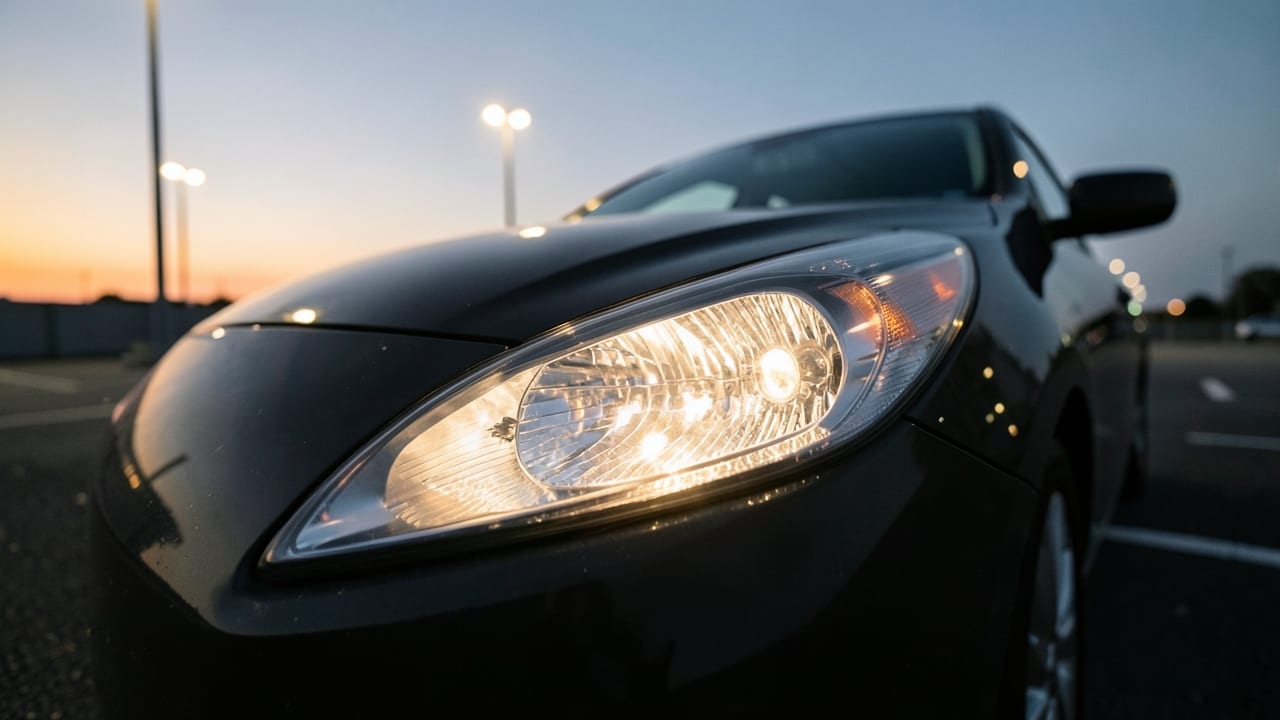
Headlight Restoration & Coating in Valrico, FL
Headlight restoration and UV-protective coating in Valrico, FL — restores clarity and nighttime visibility without replacing the assembly.
Learn More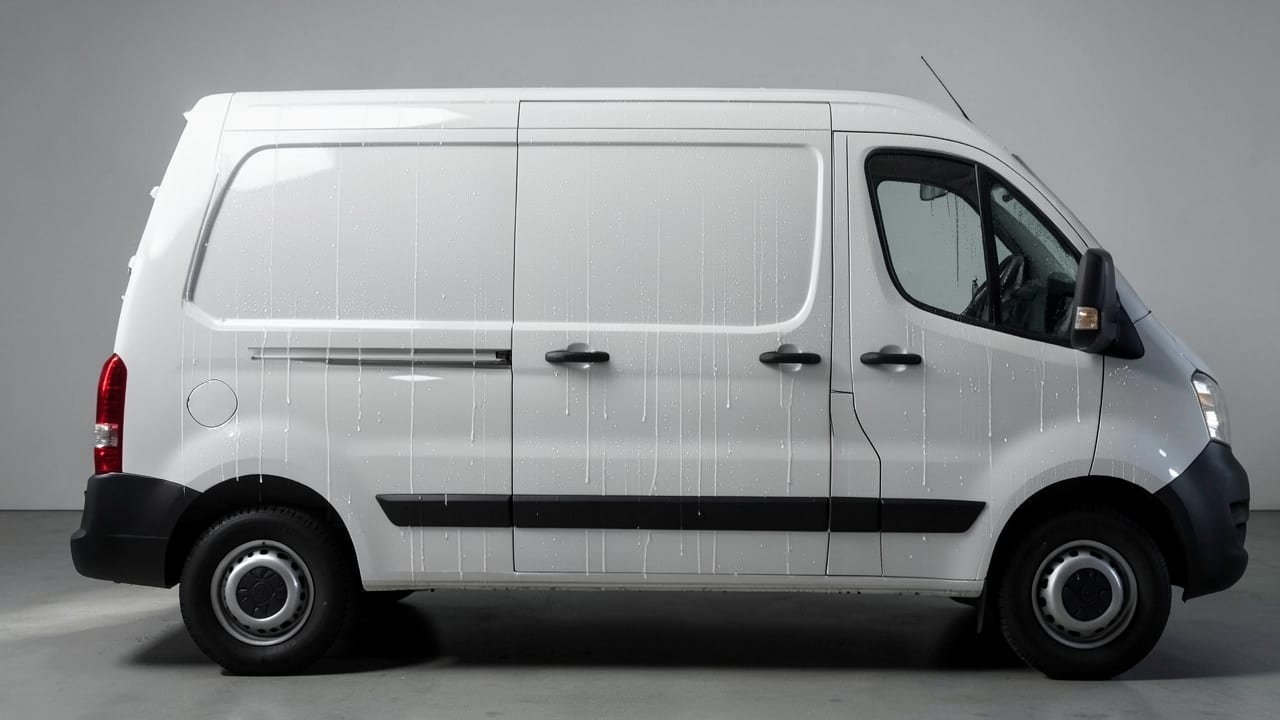
Fleet & Commercial Vehicle Coating in Valrico, FL
Ceramic coating programs for fleets and commercial vehicles in Valrico, FL — faster washing, longer-lasting branded wraps, and protected resale value.
Learn More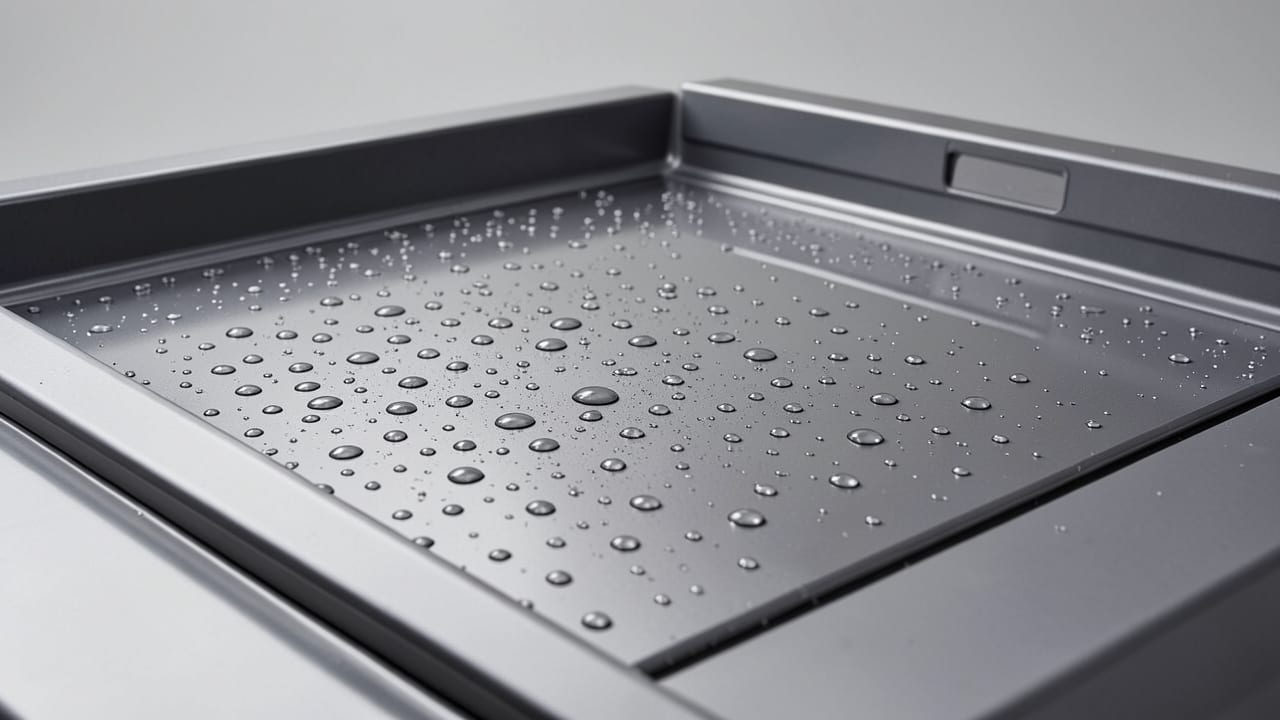
Graphene Coating in Valrico, FL
Graphene coating in Valrico, FL — a premium ceramic alternative with better heat rejection and hydrophobic durability.
Learn More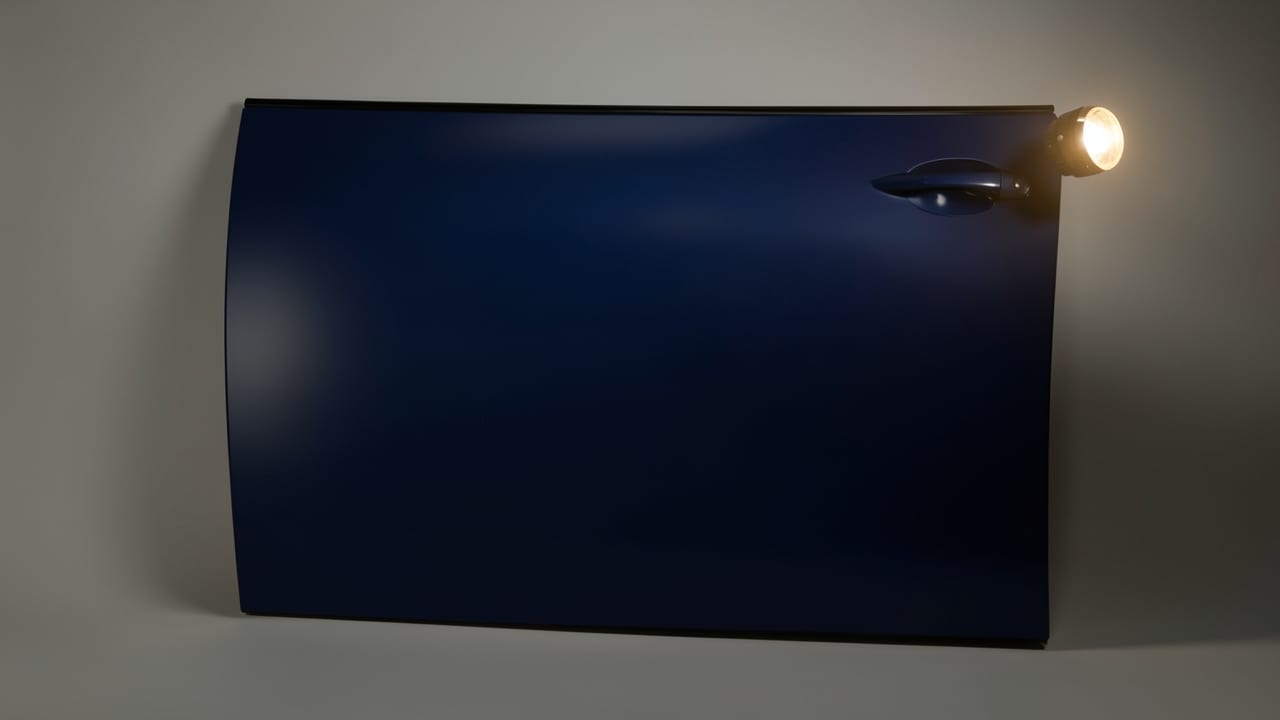
Clay Bar Paint Decontamination in Valrico, FL
Clay bar paint decontamination in Valrico, FL removes bonded surface contaminants a wash alone can't touch, before coating or correction.
Learn More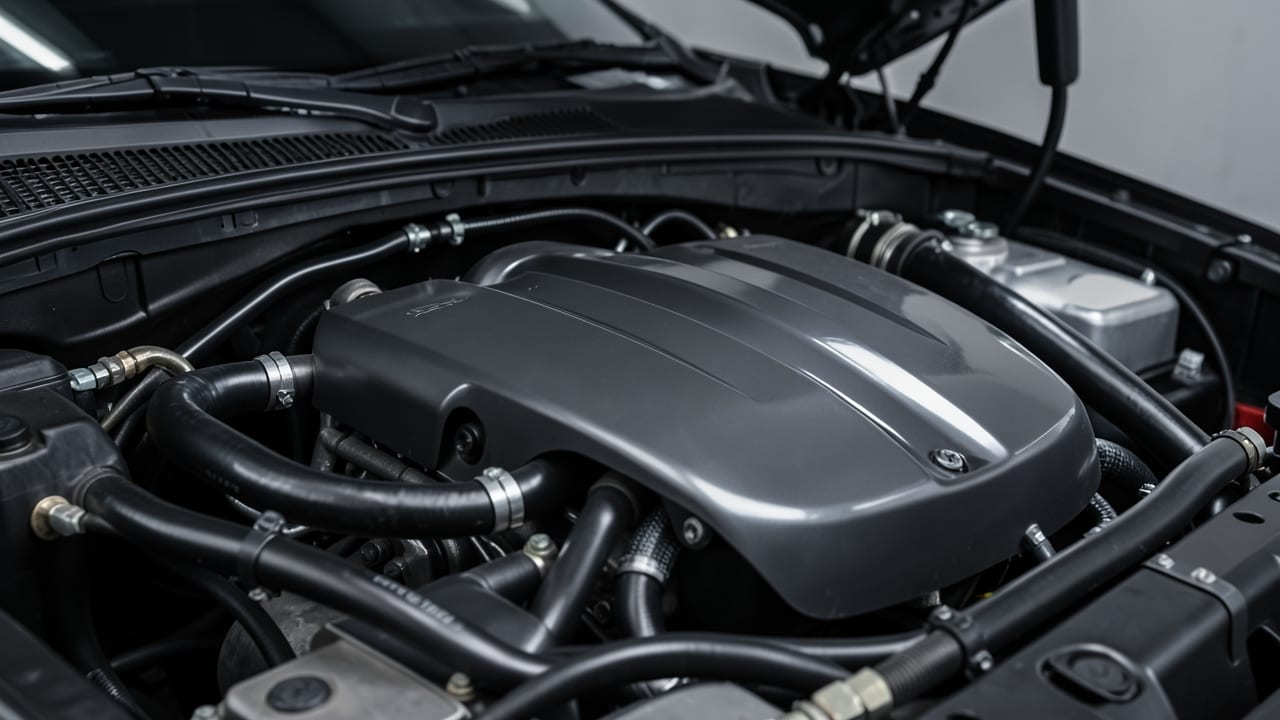
Engine Bay Detailing in Valrico, FL
Engine bay detailing in Valrico, FL — safe degreasing and dressing of the engine compartment without risking electrical components.
Learn MoreCommon Questions About Ceramic Coating in Valrico
Everything you need to know about ceramic coating services in Valrico
How much does Convertible Top Protection typically cost in Valrico, FL?
Does intense UV and dust in Valrico, FL change coating maintenance?
How should a coated vehicle be washed after the coating is applied?
Will a ceramic coating stop rock chips or scratches?
What's the actual difference between wax, paint sealant, and ceramic coating?
Can ceramic coating be applied at home instead of by a detailing shop?
Need Ceramic Coating in Valrico?
Get a written quote from our Valrico crew.
⏰ We answer your call • Serving all of Valrico and surrounding areas